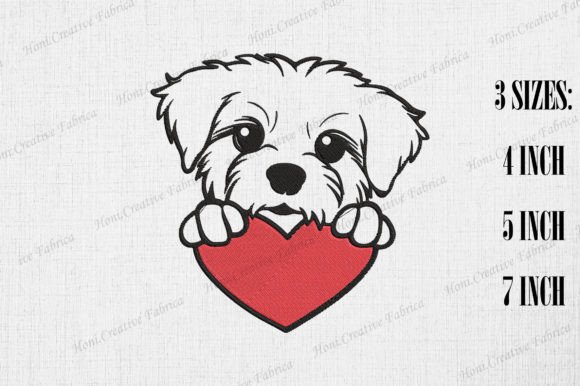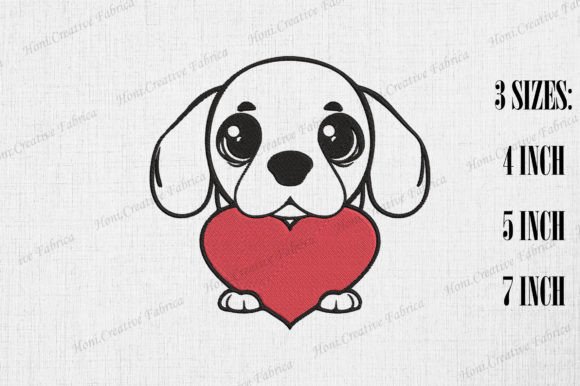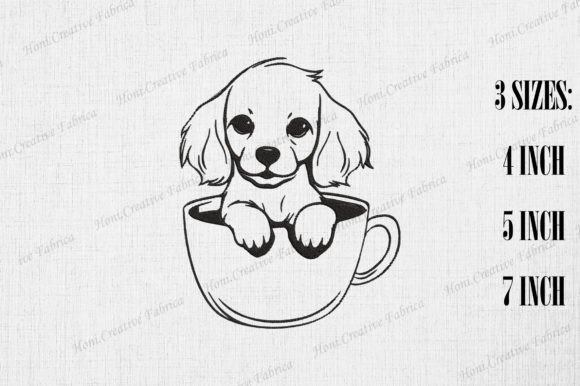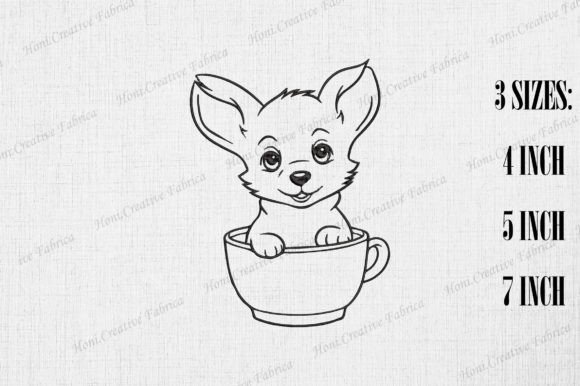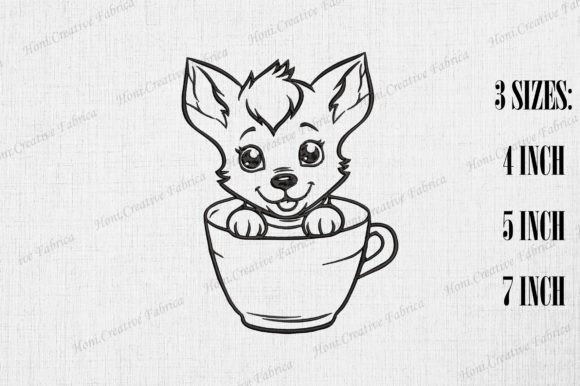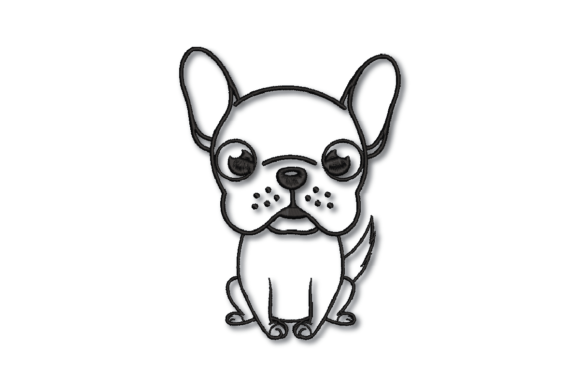
Dog Line Embroidery Design Review
First Impressions of Dog Line
From the moment I laid eyes on Dog Line, it felt like a design that could easily become a staple in any embroidery project. The mood is warm and approachable, with a clean, simple layout that makes it instantly recognizable. The shape is balanced, with a natural flow that suggests it was designed with both aesthetics and functionality in mind.
The theme is clearly centered around dogs, but it’s not overly cute or cartoonish. Instead, it has a subtle charm that would work well in a variety of settings—whether it’s for a personalized gift, a small business product, or even a commercial embroidery project. The detail level is just right, with enough definition to stand out without being too busy.
This design feels like it belongs on custom apparel, baby items, or even as an embroidered patch. It has the visual personality of something that could be both a functional and decorative element in a handmade product.
Real-World Use Cases for Dog Line
When I think about how Dog Line would perform in real-life embroidery situations, I imagine it being used on a range of products. For example, a custom tote bag design could benefit from its clean lines and clear silhouette. On a sweatshirt, it would add a touch of personality without overwhelming the garment.
It also has potential for baby clothes, where simplicity and clarity are key. A baby onesie with Dog Line could be a thoughtful, personalized gift that parents would appreciate. Similarly, a holiday-themed pillow cover or a kitchen towel with this design could make a great addition to a craft fair booth or an Etsy shop.
For a small shop product, Dog Line could serve as a versatile design asset. It might be used as part of a printable mockup, a digital product preview, or even as a base for a custom embroidery project. Its adaptability makes it a strong candidate for a wide range of applications.
Where Dog Line Needs Careful Handling
While Dog Line is a solid design, there are certain scenarios where it might require more attention. For instance, if you’re working with small hoop sizes, the design might feel cramped or difficult to stitch accurately. Similarly, on textured fabrics or thin materials, the details could get lost or distorted.
Stretchy fabrics can also be a challenge. If the design is stitched onto a stretchy material like a t-shirt, the stitches may pucker or shift after washing. Dark fabrics might require careful thread color selection to ensure the design stands out properly.
On curved surfaces like caps or hats, the design might not sit as smoothly as it would on flat fabric. Tiny lettering or intricate corners could be problematic if the stitch density is too high or if the stabilizer isn’t sufficient. It’s important to test the design before committing to a final product.
Impact on Visual Appeal and Customer Perception
Dog Line has the potential to enhance the visual appeal of any embroidery project. Its clean lines and balanced composition make it easy to incorporate into a variety of designs. When stitched correctly, it can elevate the overall look of a handmade product, making it more attractive to buyers.
Stitching clarity is another important factor. If the design is too dense or poorly optimized, it could result in a less professional-looking finished product. That’s why it’s essential to check the stitch density and ensure the design is suitable for the intended fabric type.
From a customer perspective, a well-executed Dog Line design could increase trust in a handmade product. It adds value by offering a unique, personalized touch that customers often look for. Whether it’s a custom gift or a small business item, the design can contribute to a more polished and professional presentation.
Practical Tips for Using Dog Line
Before using Dog Line in any project, I always recommend testing the design on scrap fabric. This helps identify any potential issues with stitch placement, thread color contrast, or fabric compatibility. It’s also a good idea to review the stitch density to ensure it’s appropriate for the material you’ll be using.
Checking the hoop size is another critical step. If the design is too large for your hoop, it could lead to stitching errors or an uneven result. Similarly, using the right stabilizer can make a big difference, especially when working with delicate or stretchy fabrics.
Testing the design in black and white mockups can help you see how it will look on different fabric backgrounds. Comparing light and dark fabric options can also guide your thread color choices. And if you're planning to sell finished items or digital products, always confirm the licensing terms before proceeding.
Final Thoughts on Dog Line
Dog Line is a versatile embroidery design that offers a lot of potential for creative use. It’s well-suited for a range of projects, from custom apparel to personalized gifts and small business merchandise. However, like any machine embroidery design, it requires careful consideration and testing to ensure the best results.
Whether you're an experienced designer or just starting out, Dog Line can be a valuable addition to your design assets. With the right approach, it can help you create beautiful, professional-looking embroidery projects that resonate with your audience.