Rose Flower Border Review
As an embroidery designer and product reviewer, I often find myself evaluating machine embroidery designs for real-world use. The Rose Flower Border caught my attention not just for its aesthetic appeal, but for how it might translate into practical, high-quality finished products. Whether you're working on custom apparel, handmade gifts, or small shop merchandise, this design has potential—but it also comes with some considerations.
First Impressions: A Delicate yet Versatile Design
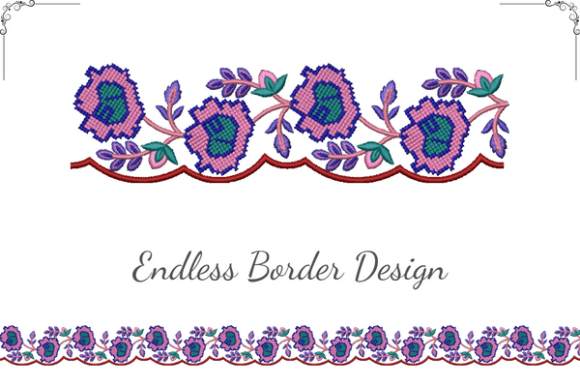
The Rose Flower Border immediately evokes a sense of elegance and timeless beauty. Its layout is balanced, with a flowing pattern that suggests a natural garden setting. The design features a mix of satin stitch and fill stitch elements, creating a soft, romantic feel. It’s not overly complex, which makes it ideal for both beginners and experienced embroiderers looking for something that can be adapted to various projects.
Visually, the design feels like it belongs on home decor items, such as pillow covers or tea towels, but it also has the versatility to work on apparel. The floral motif is classic enough to appeal to a wide audience, making it a good choice for personalized gifts or boutique products.
Real-Life Embroidery Use Cases
Imagine you’re preparing a custom embroidered tote bag for a client who wants something unique and elegant. The Rose Flower Border could be a perfect fit. It would add a touch of sophistication without being too busy, allowing the fabric to remain the focal point. Similarly, if you’re designing a sweatshirt or t-shirt for a craft fair, this border could serve as a subtle yet eye-catching detail.
For baby items, such as onesies or blankets, the design’s soft lines and gentle color palette make it suitable for a nursery setting. It could also work well as an embroidered patch for a jacket or backpack, offering a decorative element that stands out without overwhelming the garment.
In the realm of holiday or wedding gifts, the Rose Flower Border could be used on greeting cards, napkins, or table linens. Its traditional look makes it appropriate for seasonal or special occasion projects, while its adaptability allows it to blend well with different themes.
Where to Be Cautious
While the Rose Flower Border is versatile, there are situations where it may not perform as well. For instance, if you're working with small hoop sizes, the design might require multiple hooping sessions, which can be time-consuming and increase the risk of misalignment. On textured fabrics, the details may not come through as clearly, especially if the fabric has a lot of variation in weave or thickness.
Thin or stretchy fabrics could pose challenges as well. The design’s stitch density might cause the fabric to pucker or distort, especially if proper stabilizer isn’t used. Dark fabrics may also affect the visibility of lighter thread colors, so it’s important to test the design on your chosen fabric before committing to a full project.
When working on curved surfaces like caps or hats, the border’s shape may need to be adjusted slightly to ensure it follows the contour properly. In such cases, a little customization can go a long way in improving the final result.
Impact on Visual Appeal and Customer Perception
When executed well, the Rose Flower Border can elevate the visual appeal of any project. It adds a level of craftsmanship that customers recognize and appreciate. For small business owners or Etsy sellers, this design can enhance the perceived value of handmade products, making them more attractive to buyers looking for quality and uniqueness.
From a branding perspective, using consistent design elements like this border can help create a cohesive look across your product line. It can also improve customer trust, as well-crafted embroidery reflects professionalism and attention to detail.
For gift-giving, the design’s classic style ensures it remains relevant across different occasions. Whether it's a personalized item for a friend or a commercial product for a client, the Rose Flower Border offers a level of sophistication that resonates with many audiences.
Practical Designer Notes
Before using the Rose Flower Border in a project, I always recommend testing it on scrap fabric. This helps you understand how the design interacts with different materials and how the stitches behave. Checking thread color contrast is also important—especially if you're using light or dark threads on varying fabric backgrounds.
Reviewing the stitch density is another key step. If the design is too dense, it may cause fabric distortion or thread breakage. Confirming the correct hoop size for your machine will also prevent issues during the embroidery process.
Inspecting small details, such as corners or intricate parts of the design, ensures they come out cleanly. Testing the design in black and white mockups can help you see how it looks without color, which is useful for printable mockups or digital product previews.
Using the right stabilizer is crucial, especially when working with delicate or stretchy fabrics. It helps maintain the integrity of the design and prevents puckering or shifting during stitching.
Finally, always check whether the design is suitable for both personal and commercial use. Confirming licensing terms before selling finished items or digital products is essential to avoid legal issues down the line.
Final Thoughts
The Rose Flower Border is a design that offers both beauty and flexibility. It can be a great addition to a variety of embroidery projects, from custom apparel to handmade gifts. However, like any design, it requires thoughtful application to ensure it meets the needs of your specific project and audience.
Whether you're an embroidery designer, a small business owner, or a hobbyist, taking the time to evaluate and test the design before use will help you achieve the best results. With the right approach, the Rose Flower Border can become a valuable asset in your creative toolkit.