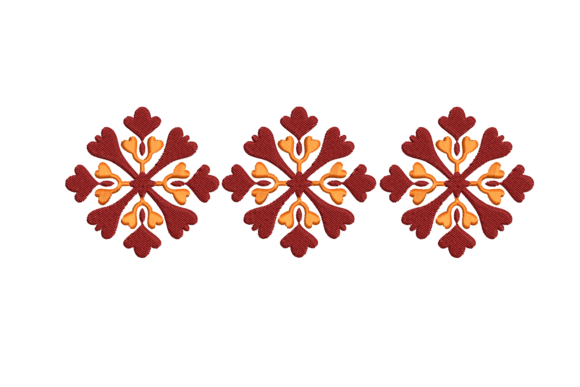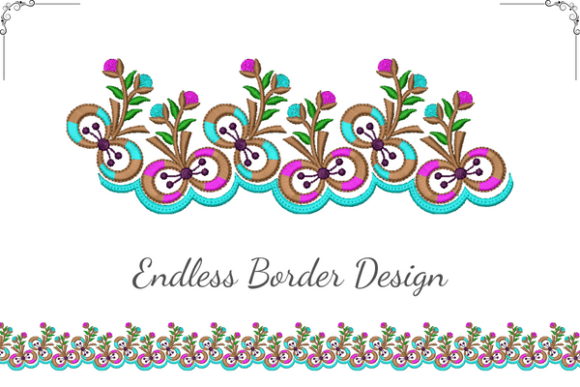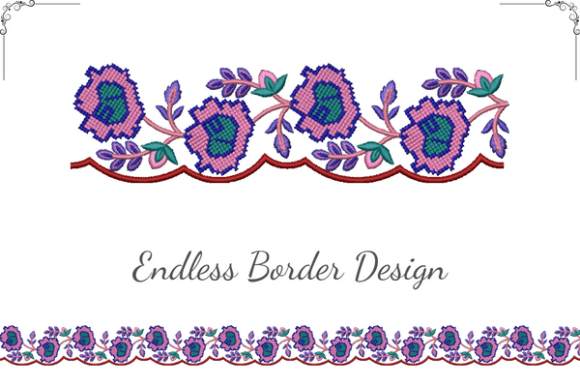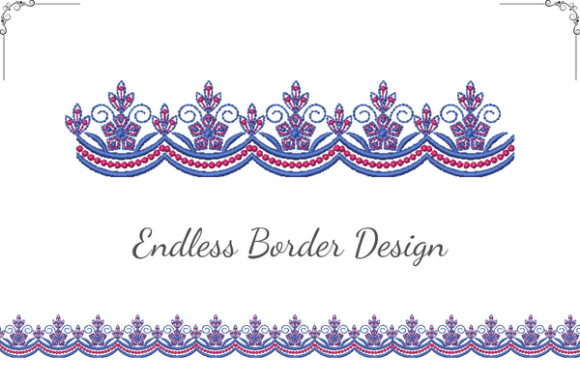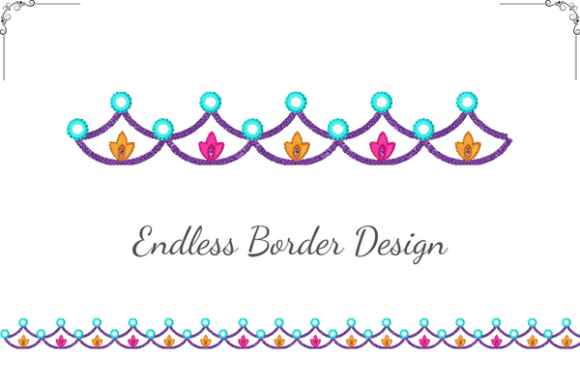
Colorful Border
As an experienced embroidery designer, I’ve seen countless machine embroidery designs come and go. But one that stands out for its versatility and visual appeal is the Colorful Border. This design offers a vibrant, eye-catching pattern that can elevate a wide range of craft fair products and handmade items. Whether you're setting up a booth at a local market or running an Etsy shop, this machine embroidery design has the potential to become a top seller.
First Impressions: A Bold and Colorful Statement
The Colorful Border immediately catches the eye with its lively palette and intricate pattern. It feels modern yet timeless, blending elements of rustic charm with a touch of elegance. The design is perfect for those who want to add a pop of color without overwhelming the overall look of a product. It’s ideal for both casual and more refined settings, making it a great fit for a variety of handmade products.
Where Colorful Border Shines
When considering where to apply the Colorful Border, there are several key areas where it truly stands out. On tote bag design, it adds a unique flair that draws attention at a craft fair. For apron embroidery, it brings a cheerful vibe that customers love. On tea towel embroidery, it transforms a simple household item into a statement piece. Similarly, on embroidered patches, it creates a bold, wearable art piece that can be used on jackets, bags, or even as a pin.
The design also works well on fabric pouches, pillow covers, and market bags. It’s especially effective when used as a border on larger items, giving them a cohesive and professional look. As a small shop product, it can be paired with other designs to create a collection that appeals to a broad audience.
Practical Selling and Production Points
One of the strengths of the Colorful Border is how easy it is to understand at a glance. Its clear lines and distinct colors make it visually appealing even from a distance. This is crucial in a busy craft fair environment where customers need to quickly notice what’s available.
The design works well as both a small accent and a large focal point, depending on your needs. It photographs nicely for printable mockups and Etsy listings, which is essential for online sales. Additionally, its structure makes it repeatable for batch production, allowing you to efficiently create multiple commercial embroidery pieces without sacrificing quality.
Careful-Use Notes
While the Colorful Border is versatile, there are some considerations to keep in mind. Dense stitch areas may require extra care when working with thick fabrics or textured towels. Tiny details might not show up clearly on dark fabrics or when scaled down. Curved surfaces like caps can be tricky, so testing on different materials is recommended.
It’s also important to check the stitch density and ensure that the hoop size is appropriate for the project. Using the right stabilizer will help maintain the integrity of the design, especially on delicate or stretchy fabrics. Always test the embroidery file on scrap fabric before committing to a final finished product.
Impact on Visual Appeal and Customer Engagement
The Colorful Border significantly enhances the visual appeal of any product it’s applied to. It grabs attention, adds value, and reinforces the handmade quality of your items. When displayed on a craft fair table, it helps create a cohesive and attractive booth setup that draws in customers.
For digital embroidery file sellers, this design can serve as a valuable addition to your design assets. It’s also great for small shop product creators looking to expand their offerings. By consistently using this design across various items, you can build brand recognition and customer loyalty.
Embroidery Designer Notes
Before finalizing any production, I always recommend testing the Colorful Border on different fabrics to see how it performs. Check the contrast between thread colors and fabric to ensure visibility. Review the spacing of the design to avoid overcrowding, and confirm that the hoop size matches your equipment.
Creating at least one real mockup is essential to visualize how the design will look in practice. Compare different fabric colors to find the best match for your target audience. Finally, make sure to confirm the commercial licensing terms before selling any finished product.